

In a world of fast fashion and trends that come and go like desert winds, the allure of traditional clothing remains constant. These garments, woven with history and cultural threads, transcend mere fabric to become vibrant tapestries of identity, storytelling, and belonging. And in the case of Balochi traditional dresses, this rich tapestry stretches back centuries, whispering tales of resilience, artistry, and unwavering spirit.
In a rapidly evolving world where fashion trends come and go, traditional dresses are timeless symbols of cultural heritage and identity. Embracing traditional attire not only connects us to our roots but also preserves and celebrates the rich history embedded in the fabrics, designs, and colors. In this blog post, we will explore the significance of wearing traditional dresses and delve into the captivating history of Balochi traditional attire.
Why We Should Embrace Tradition?
- Cultural Identity and Pride: Wearing traditional dresses allows individuals to express their cultural identity and take pride in their heritage. It serves as a visual representation of the unique customs, beliefs, and traditions passed down through generations.
- Symbol of Unity: Traditional attire fosters a sense of unity and belonging among communities. It serves as a common thread that binds people together, creating a shared identity and fostering a sense of community.
- Connection to History: Traditional dresses often have historical significance, telling stories of the past through their designs and motifs. By donning these garments, individuals become living embodiments of their cultural history, keeping traditions alive.
- Celebration of Festivals and Occasions: Traditional dresses play a vital role in celebrations and ceremonies. They add a touch of authenticity and create a festive atmosphere during cultural events, weddings, and religious ceremonies.

Balochi Traditional Dresses: A Journey Through History:
The Balochi people, with their rich cultural heritage, have a distinctive style of traditional dress that reflects their history and way of life. The traditional Balochi dress comprises several components, each with its significance:
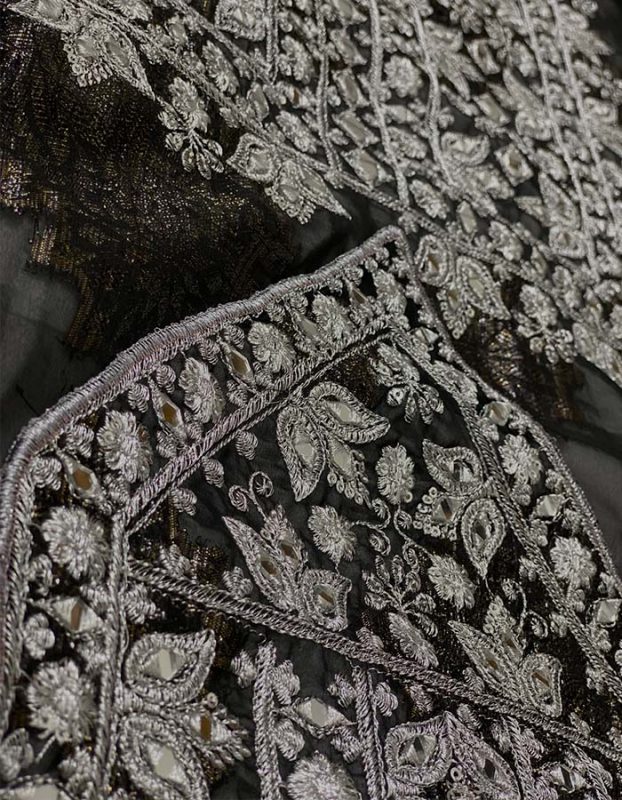
- Jama (Shalwar Kameez): The Balochi Jama, a loose-fitting shirt paired with wide pants, is a traditional outfit worn by both men and women. The embroidery and vibrant colors showcase the exquisite craftsmanship of Balochi artisans.
- Chapp (Turban): Men traditionally wear a turban called Chapp, which is not only a symbol of identity but also serves practical purposes in the harsh desert climate of Balochistan.
- Gishk (Traditional Shoes): Gishk, the traditional Balochi footwear, is made from leather and intricately designed. These shoes are not only comfortable but also showcase the artistic skills of Balochi craftsmen.
- Paranja (Veil): Women often wear a Paranja, a colorful veil that adds a touch of elegance to their attire. The embroidery on the Paranja reflects the region’s artistry and cultural motifs.
Conclusion:
In a world where modernity often overshadows tradition, wearing traditional dresses, such as those from Balochistan, becomes a powerful statement. It is a testament to the enduring beauty of cultural heritage and a commitment to preserving the stories woven into the fabric of our past. Let us celebrate the richness of Balochi traditional dresses, embracing the charm and history they carry with pride.